DNA vs Blood Tests: What Is the Difference?
Not long ago, most health decisions relied on symptoms, routine check-ups, and standard laboratory tests. Today, healthcare has access to an entirely new layer of information.
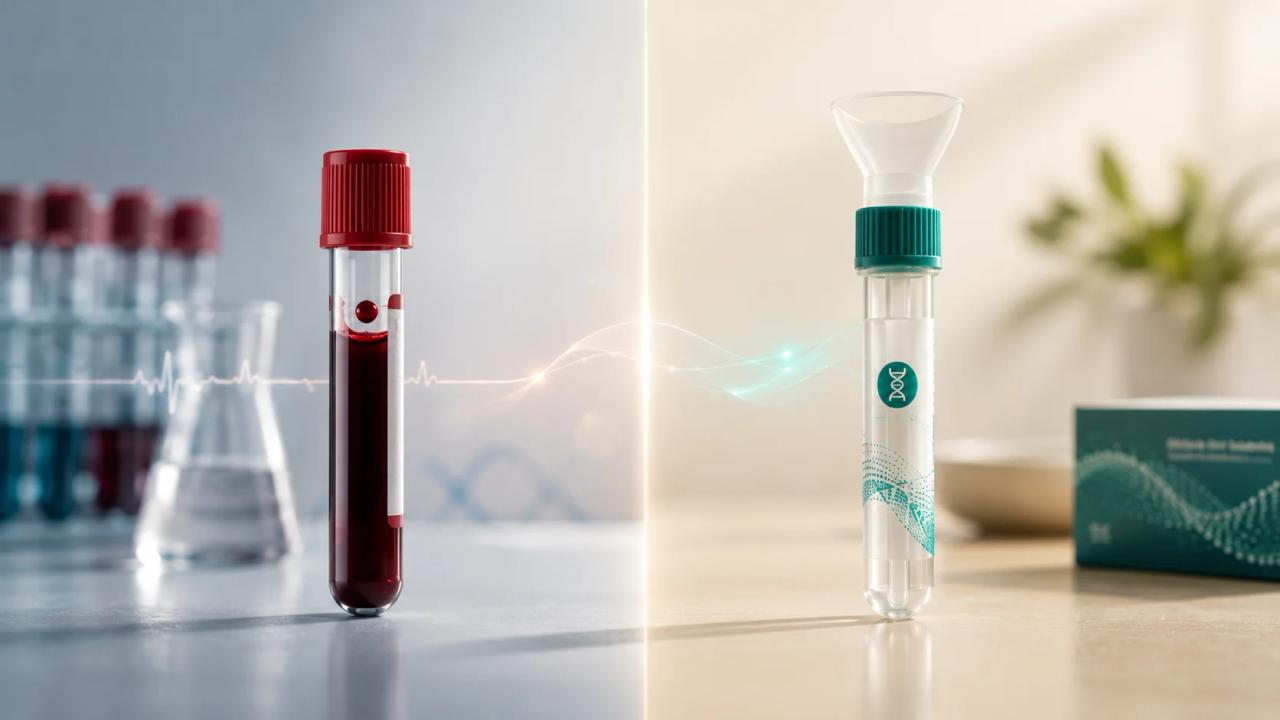
Not long ago, most health decisions relied on symptoms, routine check-ups, and standard laboratory tests. Today, healthcare has access to an entirely new layer of information.
Alongside traditional blood tests, DNA testing is helping people understand aspects of their health that may not be visible through conventional screening alone. While both tests provide valuable insights, they answer very different questions.
Understanding the difference can help you make more informed decisions about your health and know when each type of test may be useful.
Why Are DNA Tests and Blood Tests Often Compared?
As genetic testing becomes more widely available, it's common to see DNA tests and blood tests mentioned in the same conversations. Both are used to gather health information, both involve analysing biological samples, and both can support healthcare decisions.
Because of these similarities, many people assume they serve the same purpose or that one can replace the other.
In reality, they provide completely different types of information.
A blood test is designed to measure what's happening inside your body at a specific point in time. It can reveal your cholesterol levels, blood sugar levels, vitamin deficiencies, hormone imbalances, signs of infection, and many other health markers.
A DNA test, on the other hand, focuses on information that has been present since birth. Rather than measuring your current health status, it looks at genetic variations that may influence inherited traits, biological tendencies, and certain health risks.
Think of it this way: one provides a snapshot of your health today, while the other helps explain some of the factors that may influence your health throughout life.
What Does a Blood Test Tell You?
Blood tests are among the most commonly used tools in modern healthcare because they provide direct insights into how your body is functioning right now.
Whether you're undergoing an annual health check-up or investigating specific symptoms, blood tests can help identify a wide range of conditions and health concerns. They are frequently used to assess cholesterol levels, blood glucose, liver function, kidney function, hormone levels, inflammation markers, vitamin deficiencies, and signs of infection.
Because these markers can change over time, blood tests often need to be repeated periodically. Your cholesterol levels today may not be the same a year from now. Similarly, vitamin deficiencies can improve with dietary changes or supplementation, and blood sugar levels can fluctuate depending on lifestyle and overall health.
This ability to capture real-time information makes blood testing an essential part of preventive healthcare, diagnosis, and ongoing health monitoring.
What Does a DNA Test Tell You?
DNA testing looks at a very different aspect of health.
Instead of measuring current biological activity, it examines your genetic blueprint. Your DNA contains instructions that influence how your body develops, functions, and responds to various biological processes.
Because your genetic code remains largely unchanged throughout your life, a DNA test typically only needs to be performed once. The information it provides focuses on inherited factors rather than current health measurements.
Depending on the type of analysis, DNA testing may provide insights into inherited health risks, carrier status for certain genetic conditions, medication response, nutritional tendencies, fitness-related traits, and other biological characteristics.
For example, a blood test may tell you that your cholesterol level is elevated today. A DNA test may reveal whether you carry genetic variations associated with a higher likelihood of developing cholesterol-related issues over time.
The distinction is important because these tests answer different questions rather than competing with each other.
Current Health vs Long-Term Insights
One of the easiest ways to understand the difference between blood tests and DNA tests is to think about the time frame each one focuses on.
Blood tests primarily assess what is happening in your body now. They help identify existing conditions, monitor ongoing treatment, and evaluate current health markers.
DNA testing focuses on inherited information that remains relatively stable throughout your life. Instead of identifying whether a condition is present today, it helps uncover biological tendencies and genetic factors that may influence future health outcomes.
This doesn't mean DNA testing predicts exactly what will happen in the future. Genetics is only one part of the larger health picture. Lifestyle choices, environmental influences, medical history, and many other factors continue to play important roles.
However, understanding genetic information can provide additional context that traditional testing alone may not reveal.
Can One Test Replace the Other?
This is one of the most common misconceptions surrounding genetic testing.
The short answer is no.
A DNA test cannot replace a blood test, and a blood test cannot replace a DNA test because they serve fundamentally different purposes.
Imagine receiving a report showing that your blood sugar levels are currently within a healthy range. That's valuable information, but it doesn't necessarily explain whether you may have an inherited predisposition to metabolic conditions.
Similarly, learning about a genetic predisposition doesn't tell you what your blood sugar level is today.
Each test contributes a different piece of the puzzle.
When viewed together, they can provide a more comprehensive understanding of your health than either test can offer on its own.
When Might You Need a Blood Test?
Blood tests are commonly recommended when healthcare providers need to assess your current health status, investigate symptoms, monitor treatment progress, or screen for specific conditions.
They may be useful if you're experiencing fatigue, unexplained weight changes, hormonal symptoms, digestive issues, recurring infections, or other health concerns. They also play an important role in routine preventive healthcare, helping identify potential issues before symptoms become more noticeable.
Because health markers change throughout life, regular blood testing remains an important component of ongoing healthcare management.
When Might DNA Testing Be Useful?
DNA testing is often most valuable when you're looking to better understand inherited aspects of your health.
For some individuals, this may involve learning about genetic predispositions to certain conditions. Others may explore carrier screening as part of family planning, while some may seek insights into medication response or personalised wellness factors.
Unlike blood tests, which often need to be repeated, genetic information remains largely consistent over time. This means the insights gained from DNA testing can continue to provide value throughout different stages of life.
The goal isn't to replace traditional healthcare tools. Instead, it's to add another layer of information that can support more informed decision-making.
Why Understanding the Difference Matters
As healthcare becomes increasingly personalised, people have access to more health information than ever before. While this creates exciting opportunities, it can also lead to confusion about which tests are appropriate and what their results actually mean.
Understanding the difference between blood tests and DNA tests helps set realistic expectations.
A blood test can tell you what's happening today. A DNA test can help explain some of the factors that may influence your health over time.
Neither test tells the entire story.
Together, however, they can provide a broader perspective on health, allowing you and your healthcare providers to make more informed decisions based on both current health markers and inherited biological insights.
Final Thoughts
Blood tests and DNA tests are often discussed side by side, but they serve very different purposes.
While blood tests provide a snapshot of your current health, DNA testing offers insights into inherited factors that may influence your health throughout life. One focuses on what is happening now, while the other helps explain some of the biological factors that may shape the future.
Rather than viewing them as competing options, it's more helpful to think of them as complementary tools. Each contributes valuable information, and together they can help build a more complete picture of your health.
The better you understand what each test can tell you, the better equipped you'll be to make informed healthcare decisions.
Frequently Asked Questions
What is the main difference between a DNA test and a blood test?
A blood test measures current health markers such as cholesterol, blood sugar, hormones, and vitamin levels. A DNA test analyses genetic information that can provide insights into inherited traits and health predispositions.
Can a DNA test replace routine blood tests?
No. DNA tests and blood tests serve different purposes. DNA testing cannot measure current health markers, while blood tests cannot reveal inherited genetic information.
Do DNA test results change over time?
Your genetic code remains largely unchanged throughout life, although scientific understanding of certain genetic markers may continue to evolve.
How often should blood tests be repeated?
The frequency depends on your age, health status, medical history, and healthcare provider's recommendations. Many routine blood tests are repeated periodically to monitor changes in health.
Which test is better for preventive healthcare?
Both can contribute to preventive healthcare. Blood tests help monitor current health markers, while DNA testing can provide insights into inherited factors that may influence long-term health risks.
Can DNA testing identify existing diseases?
DNA testing generally identifies genetic predispositions and inherited factors rather than diagnosing most existing conditions. Current health conditions are typically evaluated through clinical assessments and diagnostic testing, including blood tests where appropriate.