PCOS Genetic Risk Test · At-home saliva kit

Is your PCOS genetic?Now you can actually find out.

1 in 5 Indian women has PCOS. Most spend 2 to 3 years getting a diagnosis while their symptoms are dismissed as stress, lifestyle, or “just irregular cycles.” Your THADA gene variant tells you your genetic predisposition, so you can stop guessing and start managing.

No needlesResults in 7 days30-min free counselling
A young woman sitting calmly at home
1 in 5
has PCOS
Gene tested
THADA
Lab to report
7 days
Women’s Health DNA

Part of the 5-panel report. Tested by NABL-accredited Neotech World Lab. Also covers pregnancy, depression, bone health and arthritis risk.

Certified & trusted

Real lab. Real science. Real accreditation.

NABL Accredited
Cert. MC-6400
ISO Certified
9001 & 27001
Illumina SNP
Genotyping array
99%+ Accuracy
Reproducibility
Expert-reviewed
Human geneticist
You’re not alone

You’re not the only woman asking this question.

Women you recognise have lived this exact uncertainty: irregular cycles, dismissed symptoms, years without an answer.

SK
Sonam Kapoor Ahuja
Has spoken publicly about living with PCOS

Irregular periods. Hormonal challenges. Years of managing what her body was doing without fully understanding why. One of the most recognisable faces in India, and she has PCOS.

So does 1 in 5 Indian women. The difference: most don’t know it’s genetic. Yet.
SK
Sara Ali Khan
Diagnosed with PCOS before acting

She managed it through diet and exercise. But the turning point was knowing what she was managing. That knowledge is what changed everything.

Managing what you can name is a different game than managing in the dark.

PCOS is not a lifestyle failure. It’s a genetic predisposition. Your THADA gene is where it starts.

What PCOS actually is

What PCOS actually is.

And why your genes matter more than your diet.

PCOS, or Polycystic Ovary Syndrome, is a condition where your ovaries produce higher-than-normal amounts of male hormones (androgens). This imbalance disrupts your menstrual cycle, affects fertility, and triggers a cascade of symptoms most women spend years trying to connect.

What most women don’t know: PCOS is strongly linked to genetics. The THADA gene, which encodes a protein involved in cell signalling and apoptosis, carries variants associated with both PCOS and type 2 diabetes risk. If your variant is present, your body has a higher genetic tendency toward the hormonal patterns that cause PCOS.

This doesn’t mean you will have PCOS. It means your doctor has something specific to monitor and act on, rather than waiting for your symptoms to get loud enough to be undeniable.

Symptoms most women recognise

Tap what fits
0/7
Your symptom check

Tap the signs you recognise to personalise your result.

Check my PCOS genetic risk
Why test genetically

Why know your PCOS risk genetically?
Because earlier is always better.

The current PCOS journey in India

The average Indian woman sees 3 to 4 doctors before a definitive diagnosis.

  • Her irregular periods are “stress.”
  • Her weight gain is “lifestyle.”
  • Her facial hair is “hormonal, but not serious.”
  • Her acne “needs a better cleanser.”

Meanwhile, PCOS is quietly raising her risk of type 2 diabetes, heart disease, and infertility, all significantly more manageable when caught early.

What knowing your THADA variant changes

If your risk is elevated: monitor hormones early, adjust diet to reduce androgen expression, manage weight proactively, and walk into your gynaecologist’s office with data, not just symptoms.

If your risk is normal: you have a clear answer. The PCOS you’ve worried about isn’t in your blueprint. Your irregular cycle has a different explanation worth finding.

Either way, you stop guessing. That alone changes everything about how you navigate your health.

A blood test

Tells you what’s happening right now.

Reactive
A genetic test

Tells you what your body is predisposed to.

Preventive
What you get

Your PCOS genetic result. In plain language.

Your Women’s Health DNA report includes the PCOS panel as Panel 01, the first and most-searched result. You’ll see:

  • Your THADA genotype, the specific gene variant you carry
  • Risk grading: Good, Average or Poor
  • A plain-language interpretation of what it means for you specifically
  • Personalised lifestyle, diet and medical recommendations
And this is just Panel 01 of 5

Your report also covers pregnancy loss, post-pregnancy depression, osteoporosis and arthritis risk. All from the same saliva sample. All in one 32-page report.

KnowYourGenesPanel 01 / 05
Polycystic Ovary Syndrome (PCOS) Risk
Gene · THADA
Your genotype
AA
Your response
Good

Your genotype is associated with normal risk of developing PCOS. Maintain ideal body weight. Exercise regularly to stay fit and healthy.

GoodAveragePoor

Sample shows a Good result. Your actual result depends on your genotype and may differ. A Poor result is equally valuable: it tells you exactly where to focus.

By the numbers

The numbers that explain why you’re reading this.

1 in 5

Indian women has PCOS

70%

experience hirsutism, unwanted facial or body hair

80%

of PCOS women are overweight or obese

< 8

periods per year for many with PCOS

2 to 3

years the average woman waits for a diagnosis

higher risk of type 2 diabetes with PCOS

THADA

the gene linked to both PCOS and diabetes, tested in your report

7 days

from lab receipt to your complete report

Before & after

The same woman. Before she knew.
And after.

Before

Irregular periods for 4 years. “It’s stress.” “It’ll sort itself out after marriage.”

After

THADA variant flagged. Elevated PCOS risk confirmed. Gynaecologist appointment booked with data in hand, not just symptoms.

Before

Gained 8kg in a year despite eating well. Felt like her body was betraying her.

After

Genetic link to insulin resistance understood. Diet adjusted to low-glycaemic. Weight started responding for the first time.

Before

Trying to conceive for 14 months. No pregnancy. Increasing panic.

After

The panel helped her doctor understand the hormonal baseline. Targeted fertility support started. Ovulation induction discussed earlier than usual.

Before

Facial hair since age 19. Embarrassed. Waxing every 2 weeks. Never connected it to anything.

After

Hirsutism explained by THADA variant and androgen excess. Dermatologist consulted. Medical management options discussed for the first time.

In their words

What women with PCOS discovered.

“I was told I ‘might have’ PCOS at 22. Then again at 25. Then 27. Five years of might. My KYG result showed elevated THADA risk. For the first time, my gynaecologist and I had something concrete, not a guess. A genetic fact.”
Ananya K., 27Ananya K., 27Delhi · Software engineer
“I’ve had facial hair since I was 19. I thought it was just me. I never connected it to my weight or my cycle. The test connected all of it. THADA variant. Elevated risk. The counsellor explained the androgen link to every symptom I’d managed separately for 8 years. I wish I’d done this at 19.”
Shreya M., 28Shreya M., 28Mumbai · Teacher
“We’d been trying for a baby for a year. My PCOS result came back average, not high. But it was the pregnancy panel that changed everything. My doctor had a new direction. Even the panels that aren’t your biggest problem end up being relevant.”
Pooja R., 31Pooja R., 31Pune · HR professional
At every age

PCOS doesn’t start at one age. And knowing your risk doesn’t either.

18 to 24

First signs, first confusion

Your cycle has never been regular. Your skin is oilier. Weight goes on easily. “Normal teenage hormones,” they say. It may not be. Knowing your variant at 20 gives you a decade head start.

24 to 30

Pre-marriage, pre-conception

When PCOS diagnoses peak in India. When “will I be able to get pregnant?” first gets loud. Knowing your risk before that conversation means you and your doctor are prepared, not reactive.

30 to 38

Trying, or wondering why it’s slow

PCOS is a leading cause of female infertility. If conception is taking longer than expected, a genetic risk flag changes your fertility conversation. Earlier intervention. Real answers.

38 and up

Managing long-term consequences

Unmanaged PCOS raises type 2 diabetes risk significantly. Knowing your genetic profile helps your doctor understand the long-term monitoring you need, for your metabolic health, not just your cycle.

The cost of not knowing

Every year of guessing is a year of managing blindly.

PCOS doesn’t pause while you figure it out. The hormonal patterns are already at work. The insulin resistance is already building. The long-term risks are already accumulating quietly in the background.

Women who know their risk at 23 can make decisions at 23. Those who find out at 31, often when pregnancy isn’t happening, wish they’d known earlier.

The test costs the same today as it will in three years. Your 20s are not replaceable.

How it works

Order. Swab. Know. Three steps.

01

We deliver the kit to your door

Saliva collection tube, instructions, prepaid return courier. Arrives in 2 to 3 days. Takes 2 minutes. No needle. No hospital. No appointment.

02

The lab does the work

Neotech World Lab, NABL accredited and ISO certified, using Illumina SNP genotyping. Every report reviewed by Dr. Varun Sharma, Ph.D before release.

03

Your report. Your counsellor. Your clarity.

32-page report in 7 days. PCOS panel plus 4 more, rated Good, Average or Poor. Plus a free 30-minute counselling session, plain language, clear next steps.

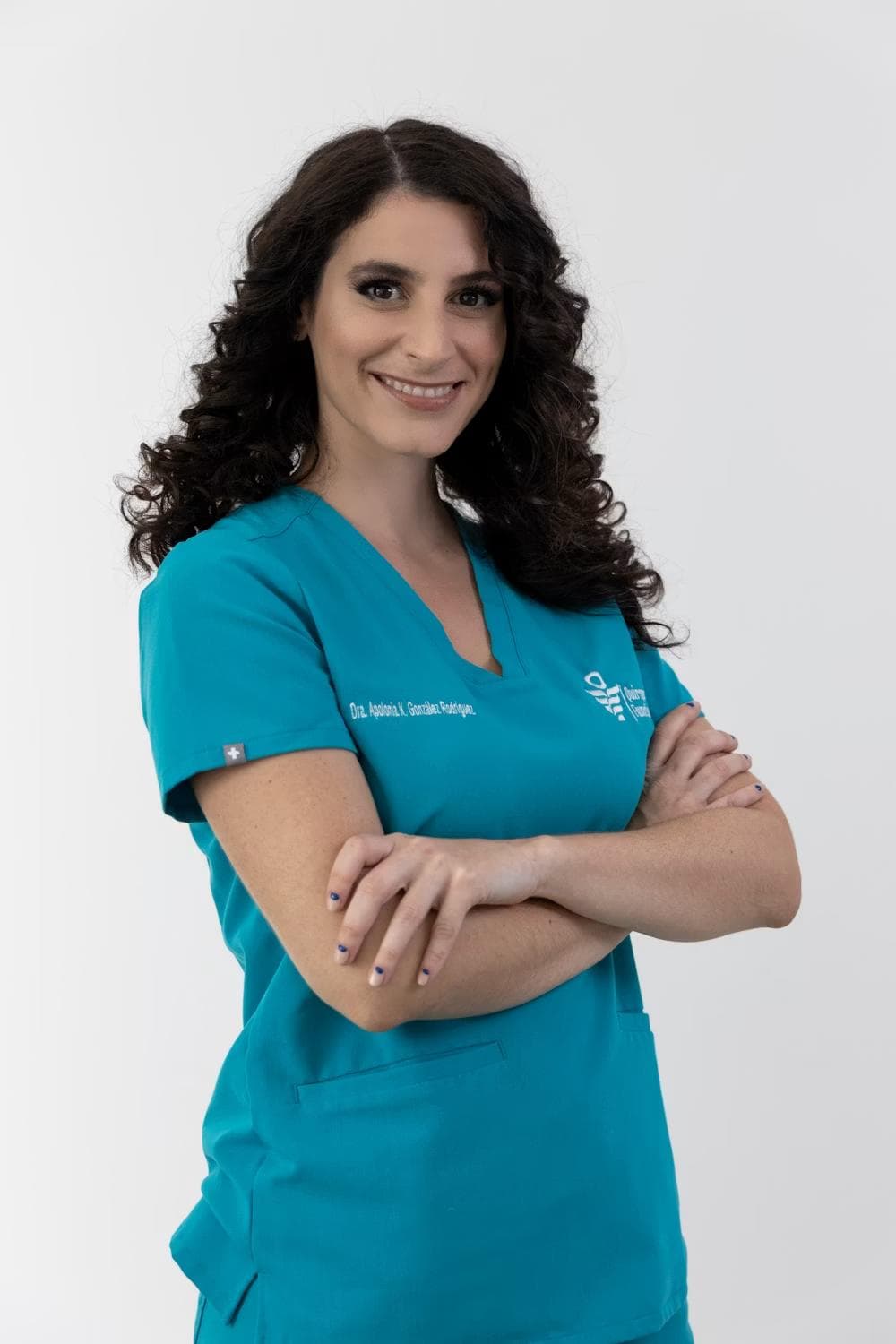
A genetic counsellor in teal scrubs
Expert review

Every report manually reviewed by Dr. Varun Sharma, Ph.D, Scientist, Human Genetics.

Trust

The science is real. The lab is certified.

Tested by Neotech World Lab Pvt. Ltd., MG Road, Gurugram.

NABL · MC-6400ISO 9001:2015ISO 27001:2013ACMG · CPICHIPAA · FDA

Technology: Illumina Infinium SNP array · 99%+ reproducibility · >98% call rate.

Your data is yours. Never sold or shared. Sample destroyed after processing.

FAQs

Questions about PCOS and genetic testing.

I’ve already been diagnosed with PCOS. Is this test still useful?

Yes. A diagnosis tells you that you have PCOS; your THADA result helps explain the genetic “why” behind it. That tells your doctor how closely to watch related risks like type 2 diabetes, and turns long-term management into something proactive rather than reactive.

What if my PCOS risk comes back as Good (low risk)?

That’s genuinely good news, and still useful. A Good result means PCOS isn’t written into your THADA blueprint, so persistent symptoms likely have a different cause worth investigating rather than dismissing. You also still receive your other four panels in the same report.

Will this tell me if I’m infertile?

No, it doesn’t diagnose infertility. It tells you your genetic predisposition to PCOS, a leading cause of female infertility, so you and your doctor can start the right conversations earlier instead of after months of trying.

Is this a replacement for seeing a gynaecologist?

Not at all, it makes that visit better. You arrive with genetic data instead of a list of dismissed symptoms. Your gynaecologist stays your decision-maker; the report and your free counselling session simply give them more to work with.

Is your PCOS genetic?

One saliva sample answers that.And four other questions you didn’t know to ask.

PCOS panel, plus pregnancy risk, depression risk, bone health and arthritis risk. All from one kit. All in 7 days.

At-home saliva kit·Neotech World Lab·NABL accredited·7-day results·Free counselling
“Your genes don’t change; they are what they are. And knowing what is in your genes can help you take better care of your health.”
Neotech World Lab · Women’s Health DNA Report